Dim the Itch: A Science-Based Guide to Managing Eczema After Dark
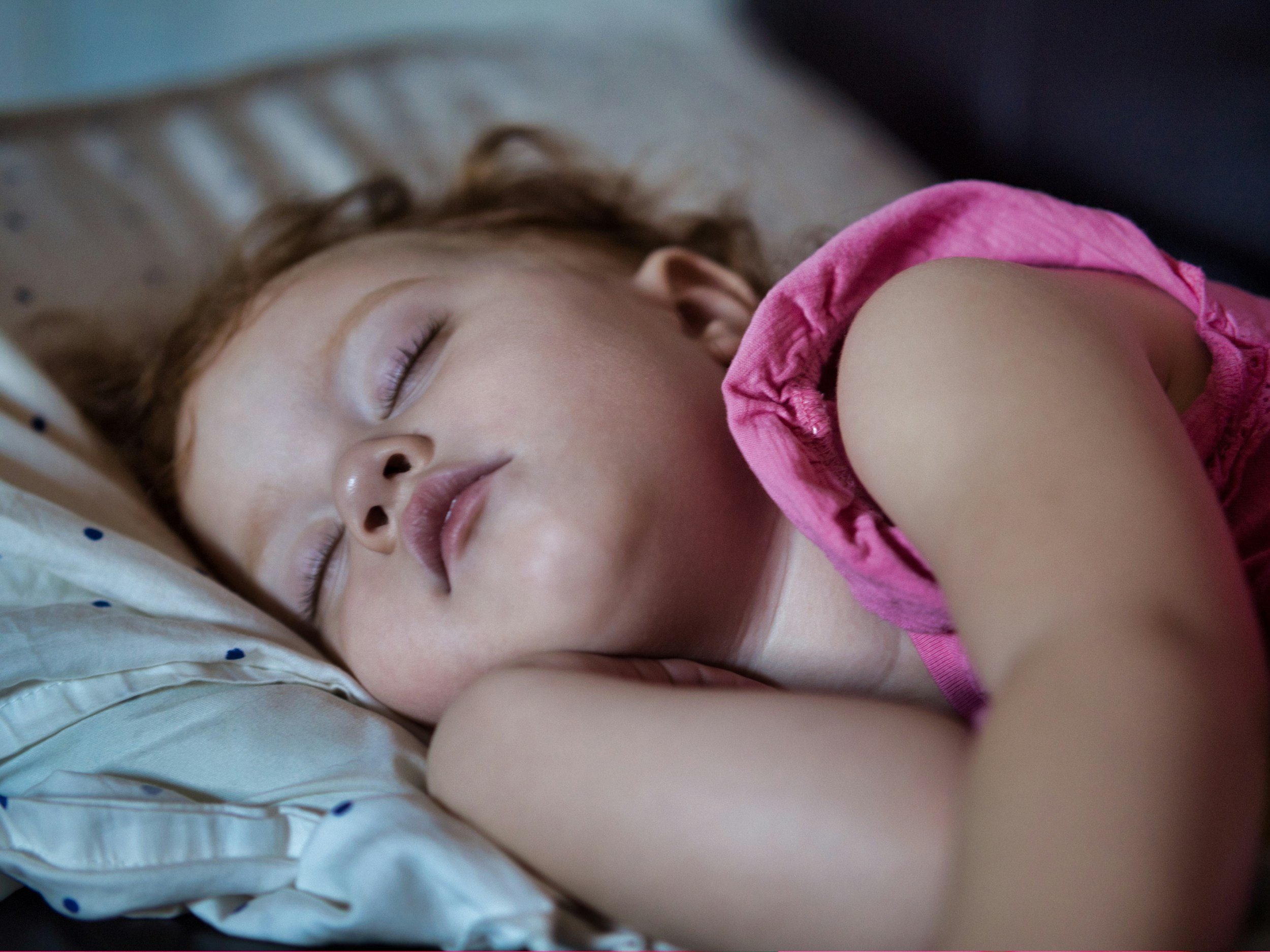
For parents of children with atopic dermatitis (eczema), the sun going down often marks the beginning of the most challenging part of the day. The "itch-scratch cycle" tends to peak just as children are trying to rest, leading to sleep deprivation for both the child and the parent. Understanding the drivers of this nighttime flare-up is the first step toward building an eczema night time routine that actually works.
Why Is Eczema Itching Worse at Night?
If it feels like your child’s eczema "wakes up" at bedtime, you aren't imagining it. Research indicates that changes in the body related to our internal biological clock (circadian rhythm) make the skin more vulnerable at night. Below are four reasons why:
The skin's barrier function is not constant throughout the day. Studies show that skin permeability is higher in the evening, leading to a significant increase in water loss from the outermost layer of the skin and this dehydration can trigger itch.
Core body temperature and skin temperature also follow a daily rhythm. As the body cools down for sleep, increased blood flow to the skin can lead to a rise in skin temperature, which is a known trigger for the itch sensation.
The levels of anti-inflammatory hormones, such as cortisol, naturally dip in the evening, while the levels of certain inflammatory cytokines may peak, heightening the skin's sensitivity and inflammatory response.
During the day, children are occupied by play and school. At night, the lack of external stimuli makes them more aware of the itch signals being sent to the brain.
What is the Best Nighttime Eczema Routine for Kids?
To combat these shifts, an evidence-based nighttime routine focuses on hydrating the skin and protecting it from scratching.
1. The "Soak and Seal" Technique
Clinical guidelines consistently recommend the "Soak and Seal" method to lock in moisture before bed.
The Soak: Bathe the child in lukewarm water for 5 to 10 minutes (Lee et al., 2016). Hot water should be avoided as it can further damage the skin barrier and increase inflammation.
The Seal: After bathing, gently pat the skin with a towel—do not rub—leaving it slightly damp. Within 3 minutes, apply a thick layer of emollient or prescription medication (Lee et al., 2016). Ointments (like petroleum jelly) are often more effective than lotions at night because they provide a superior occlusive barrier that significantly reduces water loss.
2. Wet Wrap Therapy (WWT)
For moderate-to-severe flares, Wet Wrap Therapy is a research-backed intervention that can provide rapid relief.
How it works: After the "Soak and Seal" process, a layer of warm, damp cotton clothing or gauze is applied to the skin, followed by a dry outer layer.
Benefits: This technique provides immediate hydration, cools the skin through evaporation to reduce itch signals, and acts as a physical barrier to prevent scratching. Studies have shown that WWT can lead to a 65–80% reduction in symptoms within just a few days.
Pro-Tip: Keep your child’s nails clean and short to prevent scratch damage at night.
How can you “Itch-Proof” Your Child’s Bedroom?
To truly "itch-proof" a bedroom, we have to look at it through the lens of environmental control. For a child with eczema, the bedroom isn't just a place to sleep; it’s an environment where they spend 8–12 hours in close contact with potential allergens that can trigger a flare-up.
When the skin barrier is compromised, it becomes hypersensitive to "micro-insults" from dust mites and mold. Here is how to make sure their sleep space is optimized:
1. Evicting the Dust Mites
Dust mites don't bite, but their waste products contain proteins that penetrate the skin barrier and trigger an inflammatory response. They thrive in warm, humid environments—specifically mattresses and pillows.
Remove "Dust Collectors: Soft surfaces are havens for mites. If possible, replace wall-to-wall carpeting with hard flooring (wood, tile, or vinyl). Remove heavy drapes and replace them with washable roller shades or blinds.
The "Soft Toy" Rule: Limit stuffed animals on the bed. For "must-have" lovies, research suggests placing them in a sealed bag in the freezer for 24 hours once a week to kill mites, followed by a gentle wash to remove the allergens.
Air Filtration: Use a HEPA (High-Efficiency Particulate Air) filter in the bedroom. These are proven to capture microscopic particles, including dust mite debris and mold spores, before they settle on the skin.
2. Moisture Control (Anti-Mold)
Mold spores are potent triggers for atopic flares. Since eczema routines often involve humidifiers to keep the air from drying out the skin, there is a secondary risk of mold growth.
Humidity Monitoring: Keep bedroom humidity levels between 30% and 50%. Anything above 50% encourages both mold growth and dust mite proliferation. Use a low-cost hygrometer to track this.
De-clutter: Ensure air can circulate. Keep the area under the bed clear and move furniture a few inches away from external walls where condensation can form.
3. Science-Backed Bedding Recommendations
The materials your child touches all night can either soothe or sabotage their skin.
Allergen-Proof Covers (Encasing): This is the "gold standard" for eczema bedding. Use dust-mite-proof covers (often called "encasements") for the mattress, box spring, and pillows. These must have a pore size of less than 6 microns to effectively trap mites and their waste.
The Fabric Choice: * 100% Organic Cotton: Breathable and keeps the skin cool.
Avoid: Synthetic blends (polyester), wool (highly abrasive), and flannel, which can cause overheating.
The High-Heat Wash: Bedding should be washed once a week in water that is at least 55°C (131°F). This is the temperature required to kill 100% of dust mites.
By treating the bedroom as a "clean room," you significantly lower the total allergen load the immune system has to deal with, allowing the skin’s natural repair processes to take over during the night.
For more information on treating and managing eczema, check out our parent’s guide to eczema treatments or enroll in our parent support program!
References
Chang, Y.-S., & Chiang, B.-L. (2016). Mechanism of Sleep Disturbance in Children with Atopic Dermatitis and the Role of the Circadian Rhythm and Melatonin. International Journal of Molecular Sciences, 17(4), 462.https://doi.org/10.3390/ijms17040462 Cited by: 132
Frontiers. (2026). Effectiveness of melatonin supplementation for improving sleep quality and disease severity in children with atopic dermatitis: a systematic review and meta-analysis. Frontiers in Medicine.https://www.frontiersin.org/journals/medicine/articles/10.3389/fmed.2025.1718859/full
HarlanMD. (2025). Wet Wrap Therapy: Relief for Severe Eczema Flares.https://harlanmd.com/blogs/smartlotion-blog/is-wet-wrap-therapy-right-for-me-an-eczema-guide
Iwanaszko, M., Waldeck, N., Anafi, R., Paller, A. S., Zee, P. C., & Fishbein, A. B. (2024). Circadian Rhythms in Skin Barrier Function in Atopic Dermatitis: A Pilot Study. Journal of Biological Rhythms, 39(3), 208–214.https://doi.org/10.1177/07487304231220695 Cited by: 8
Lee, J. H., Son, S. W., & Cho, S. H. (2016). A Comprehensive Review of the Treatment of Atopic Eczema. Allergy, Asthma & Immunology Research, 8(3), 181–190.https://doi.org/10.4168/aair.2016.8.3.181 Cited by: 171
Oranje, A. P., Devillers, A. C. A., Kunz, B., Jones, S. L., DeRaeve, L., Gysel, D. V., De Waard-van der Spek, F. B., Grimalt, R., Torrelo, A., Stevens, J., & Harper, J. (2006). Treatment of patients with atopic dermatitis using wet-wrap dressings with diluted steroids and/or emollients. An expert panel's opinion and review of the literature. Journal of the European Academy of Dermatology and Venereology, 20(10), 1277–1286.https://doi.org/10.1111/j.1468-3083.2006.01790.x Cited by: 140
Patel, T., Ishiuji, Y., & Yosipovitch, G. (2007). Nocturnal Itch: Why Do We Itch At Night? Acta Dermato-Venereologica, 87(4), 295–298.https://doi.org/10.2340/00015555-0280 Cited by: 163
Wollenberg, A., Werfel, T., Ring, J., Ott, H., Gieler, U., & Weidinger, S. (2023). Atopic dermatitis in children and adults. Deutsches Ärzteblatt International.https://doi.org/10.3238/arztebl.m2023.0011 Cited by: 147
https://pmc.ncbi.nlm.nih.gov/articles/PMC4430554/
Hurraß, J., Nowak, D., Heinzow, B., Joest, M., Stemler, J., & Wiesmüller, G. A. (2024). Indoor mold. Deutsches Ärzteblatt International.https://doi.org/10.3238/arztebl.m2024.0018 Cited by: 7
Kantor, R., & Silverberg, J. I. (2016). Environmental risk factors and their role in the management of atopic dermatitis. Expert Review of Clinical Immunology, 13(1), 15–26.https://doi.org/10.1080/1744666x.2016.1212660 Cited by: 518
Klain, A., Senatore, A., Licari, A., Galletta, F., Bettini, I., Tomei, L., Manti, S., Mori, F., Miraglia del Giudice, M., & Indolfi, C. (2024). The Prevention of House Dust Mite Allergies in Pediatric Asthma. Children, 11(4), 469.https://doi.org/10.3390/children11040469 Cited by: 21
Portnoy, J., Miller, J. D., Williams, P. B., Chew, G. L., Miller, J. D., Zaitoun, F., Phipatanakul, W., Kennedy, K., Barnes, C., Grimes, C., Larenas-Linnemann, D., Sublett, J., Bernstein, D., Blessing-Moore, J., Khan, D., Lang, D., Nicklas, R., Oppenheimer, J., Randolph, C., Schuller, D., Spector, S., Tilles, S. A., & Wallace, D. (2013). Environmental assessment and exposure control of dust mites: a practice parameter. Annals of Allergy, Asthma & Immunology, 111(6), 465–507.https://doi.org/10.1016/j.anai.2013.09.018 Cited by: 202
Wilson, J. M., & Platts-Mills, T. A. E. (2018). Home Environmental Interventions for House Dust Mite. The Journal of Allergy and Clinical Immunology: In Practice, 6(1), 1–7.https://doi.org/10.1016/j.jaip.2017.10.003 Cited by: 170