Can Diet, the Gut, and Everyday Habits Help Prevent Childhood Eczema?

By Lynita Howie, MPhil, Global Parents for Eczema Research
Can We Prevent or Ease Childhood Eczema?
Families frequently ask: Is there something we can do to prevent eczema? Do diet changes help eczema symptoms? Do the gut and skin microbiomes matter? What about soaps, detergents, or bathing routines?
At the 2025 Global Parents for Eczema Research (GPER) Research Symposium, leading researchers shared new findings that bring us closer to answers parents care about. The latest research, (including several studies funded by GPER) points to a critical window in early life—when diet, the gut microbiome, and everyday behaviors may shape a child’s risk of eczema.
Here’s what parents need to know.
Can You “Feed the Skin” Through Diet?
One of the most common questions parents ask is what to feed a child with eczema.
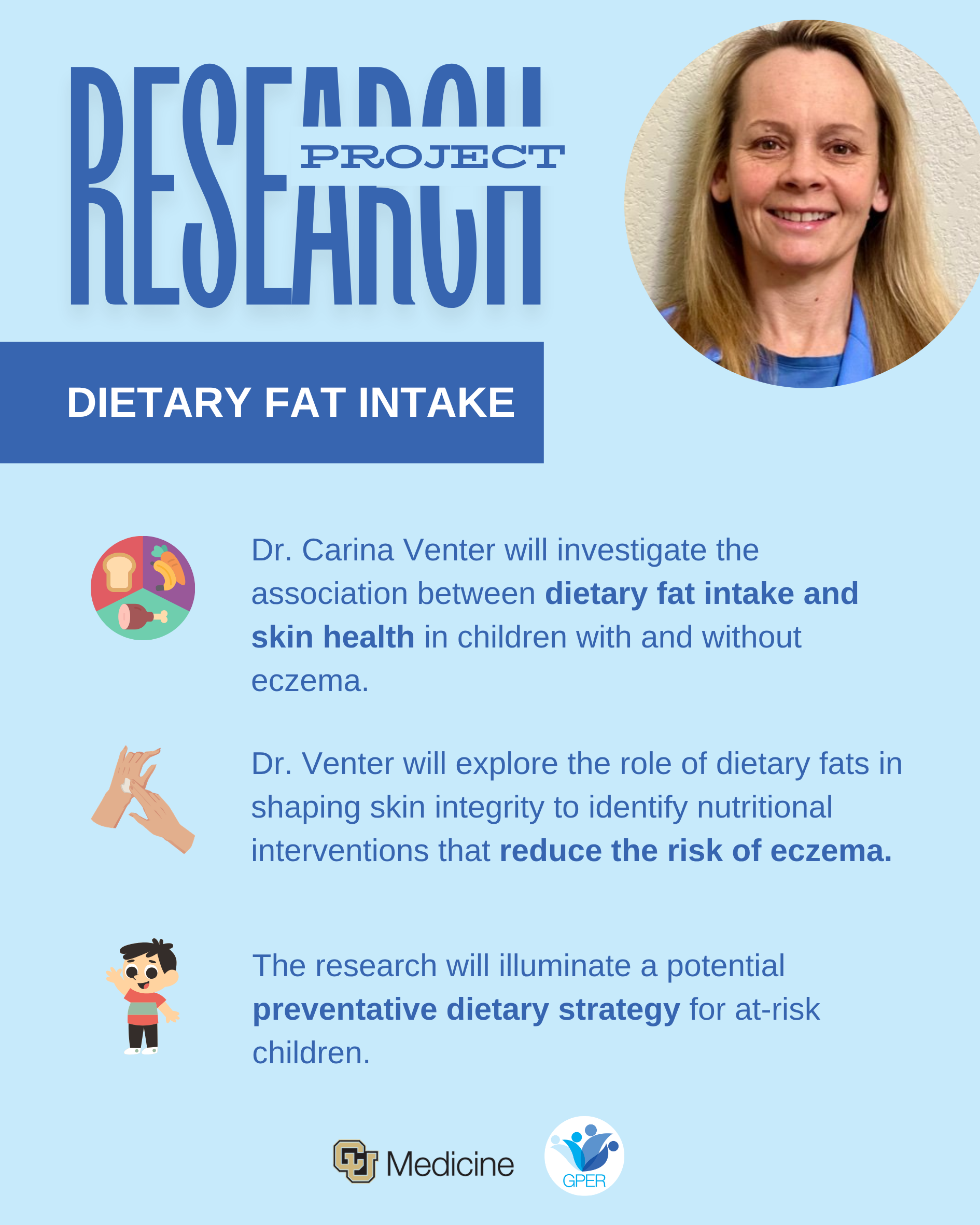
Dr. Carina Venter, a pediatric allergy specialist and dietitian, shares that, “Healthy skin depends on fats called lipids, including sphingolipids and ceramides, which help keep moisture in and irritants out.” She says, “In children with eczema, these skin lipids are disrupted—weakening the skin barrier.” She is studying whether dietary fat intake improves the skin barrier in children with eczema.
Why fat matters for the skin barrier
In a small study of children with and without eczema, Dr. Venter found that children with eczema tended to consume less fat overall. In children with eczema, higher fat intake strongly correlated with better skin lipid levels. However, this relationship was not seen in children without eczema. In other words,
“Eczema-prone skin appears to soak up fats like a “sponge” from the diet to help repair itself”, Dr. Venter says.
Practical diet tips for parents
Rather than focusing on avoiding foods (unless the child has a proven allergy), focus on nourishing the skin from the inside out:
Full-fat dairy: full-fat yogurt and milk
Healthy fats: olive oil, avocado, avocado oil
Nut butters and seed butters: support both skin health and the gut microbiome
Omega-3–rich foods: fatty fish, chia seeds, flax seeds
Soy foods: tofu and soy yogurt are rich in ceramides that support the skin barrier
Liver: chicken, turkey or duck pates, cod liver oil.
Importantly, this approach is not about “good” versus “bad” fats—the skin needs many different types of fats to function properly.
Missing Beneficial Bacteria in Early Infancy
A recent study of the gut microbiome of newborn babies in the US found that bacteria from the genus Bifidobacterium are lacking or low in 75% of babies. Bifidobacteria are a group of beneficial bacteria crucial for healthy immune development in early life.
Why are Bifidobacteria important?
Traditionally, bifidobacteria dominate the infant gut, especially in breastfed babies. These bacteria can:
Help train the immune system.
Strengthen the gut barrier.
Reduce inflammation.
Help keep harmful bacteria in check.
Lower the risk of allergic disease, including eczema.
The study found that infant gut microbiomes tended to fall into 3 categories:
1. A quarter of babies had a gut microbiome dominated by a type of bifidobacteria called Bifidobacterium breve.The microbiome of these babies was able to generate beneficial metabolites, essential for a healthy immune system. This group had a much higher proportion of exclusively breastfed babies.
2. Over a third of the babies had fewer bifidobacteria in their gut microbiome and these were dominated by Bifidobacterium longum. The gut microbiome of this group was not able to generate beneficial metabolites; instead it encouraged pathogenic bacteria to grow.
3. 40% of the babies had low or no bifidobacteria, insteadthey had a predominance of Proteobacteria and Clostridia,bacteria that can promote inflammation and may even cause problems in other parts of the body. This group had a disproportionate number of C-section births.
How did these different gut microbiomes affect allergy risk?
About 20% of all babies in the study developed eczema, however babies whose gut microbiomes were dominated by Bifidobacterium breve, had a fivefold lower risk of allergic disease. In contrast, babies from the last two groups that were not able to create beneficial metabolites had a threefold higher risk of developing allergic disease, comparable to the risk of taking antibiotics at or soon after birth.
How can parents help their babies develop a healthy gut microbiome?
It starts with the mum having a healthy diet and reducing her stress levels before birth. Discussing your birth plan with your obstetrician. including reviewing if antibiotics are necessary or can be avoided, and breastfeeding (if possible) for as long as possible. However, more research is needed to define best practice.
The Gut Microbiome and Eczema: Why Bacteria Matter
Staphylococcus aureus in the gut and eczema
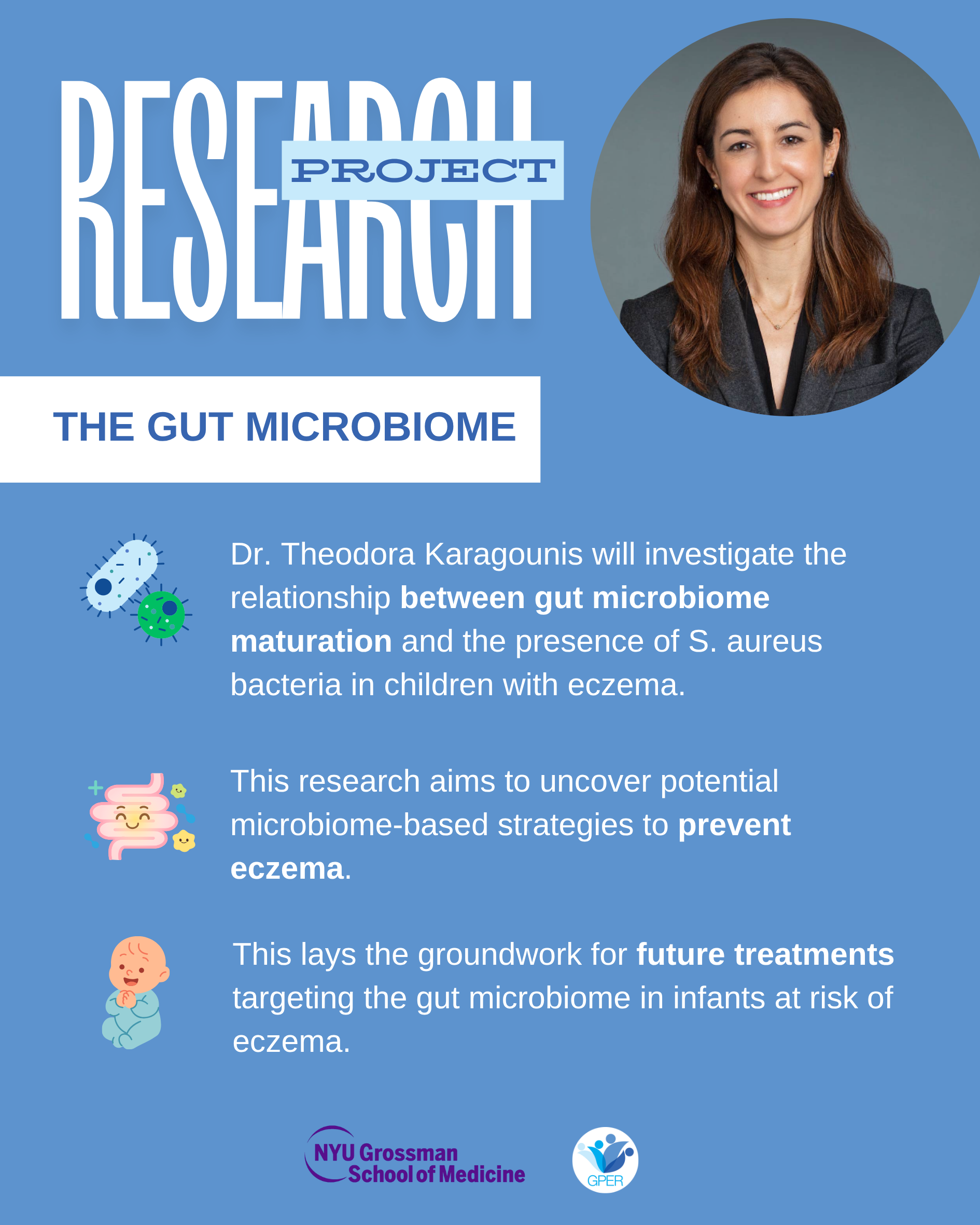
Dr. Theodora Karagounis, a pediatric dermatologist, shared findings showing that children with eczema are more likely to have Staphylococcus aureus not just on their skin—but also in their gut.
Key findings included:
Over half of children with eczema had Staphylococcus aureus in their gut, compared with very few healthy controls.
Staphylococcus aureus in the gut is linked to a disrupted gut microbiome.
In mouse models, mice with Staphylococcus aureus in the gut had an overactive immune system.
Staphylococcus aureus on the skin comes from the gut, which is acting like a bacterial reservoir.
Children with eczema also showed signs of a less developed, less diverse gut microbiome, which may allow harmful bacteria to persist.
Rather than eliminating harmful bacteria with antibiotics—which can further disrupt the gut microbiome—researchers are exploring how supporting healthy microbial diversity may help reduce eczema severity.
Everyday Habits That May Influence Eczema Risk
While diet and microbes are important, daily routines also matter.
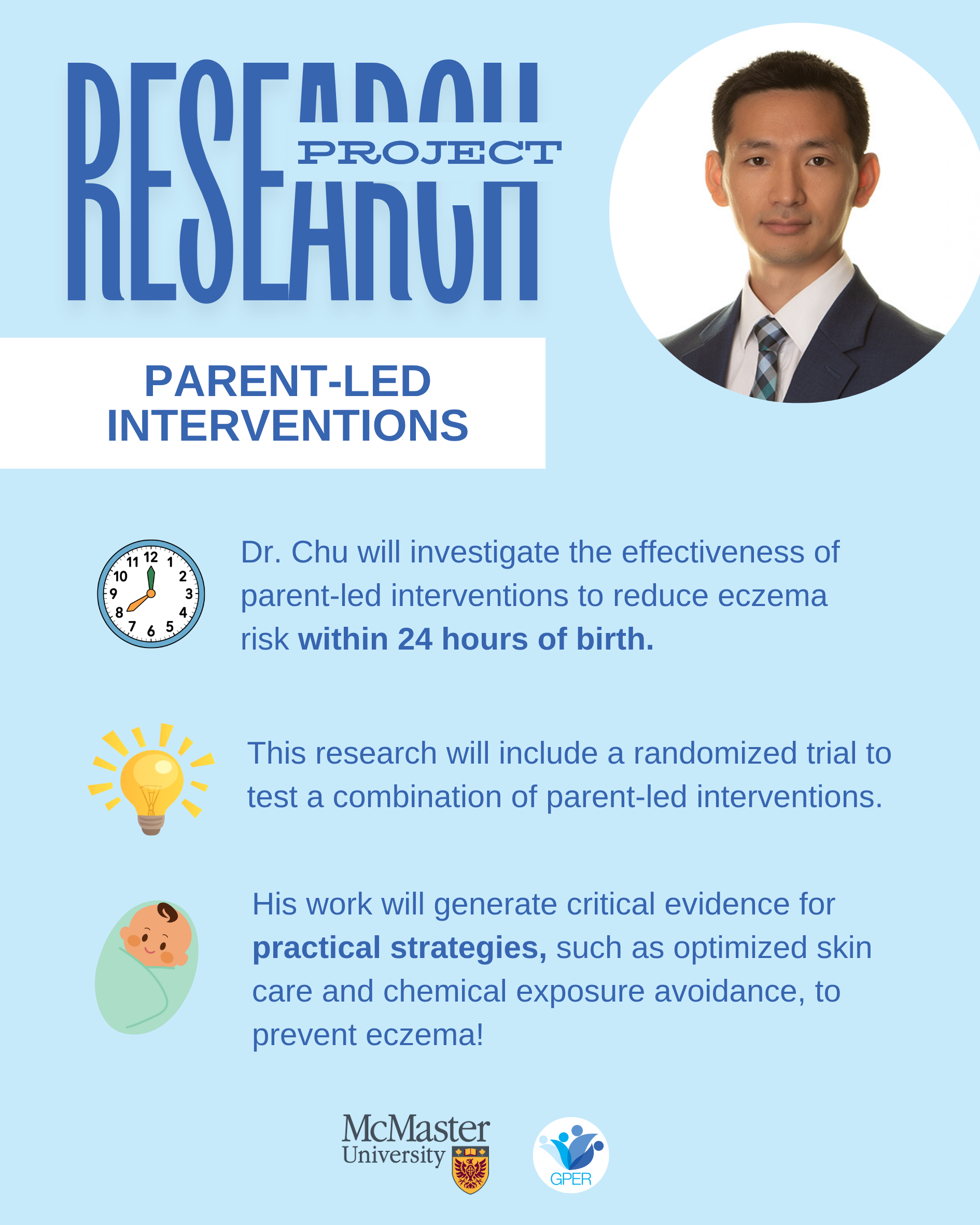
Dr. Derek Chu, a GPER-funded researcher, is leading a new family-centered, non-drug strategy study examining whether modifying everyday practices can help prevent eczema before it starts.
Habits linked to higher allergy and eczema risk
Observational studies suggest increased risk with:
Frequent bathing (more than once a week in infancy), including the timing of babies first bath that removes the vernix caseosa.
Disruptive soaps and cleansers (use non-soap cleansers if necessary)
Antimicrobial wet wipes (including for pacifiers)
Dishwasher detergents and rinse aids, compared with handwashing
Environmental allergen (nuts, eggs, etc) exposure through broken skin
These factors may disrupt the skin microbiome, weaken the skin barrier, and increase inflammation. Dr. Chu’s research aims to determine whether addressing these factors together can reduce the risk of developing eczema in infancy.
What Parents Can Do Right Now
While more research is underway, several themes are clear:
Eczema prevention needs to start early, ideally during pregnancy and continuing through the first few months of life, eat a healthy diet during pregnancy and reduce stress as much as possible, opt for a birth plan that avoids routine antibiotics if you have the choice.
Supporting the gut and skin microbiome matters. Avoid antibiotics early in life unless absolutely necessary, and breastfeed for as long as possible (exclusively for the first few months is best).
Diet quality counts especially for eczema kids, so ensure kids are eating a range of healthy fats such as avocado, fish, nuts, and seeds (if no allergies), full-fat milks and full-fat sugar-free yogurts, and soy products like tofu. Dr. Venter says, “Not all allergens pass through breast milk.” So think carefully about restricting diets and monitor the impact closely if you choose to do so.
Overuse of detergents, soaps, and antimicrobials may disrupt fragile skin and microbes. Hand-wash baby’s dishes where possible (rather than use dishwashers with harsh chemicals and rinse aids), choose gentle body cleansers that are not soap-based, buy mild scent-free laundry detergents, and avoid antimicrobial wipes. Simple, everyday choices may have long-term effects on immune health
GPER is proud to fund research that moves beyond managing symptoms toward preventing eczema and reducing suffering for children and families. Help us realize a future without eczema with a donation to help GPER fund further research.
Stay informed! Sign up for the GPER newsletter.
Together, we’re working toward a future without childhood eczema.
This blog was drafted by ChatGPT based on the 2025 GPER Research Symposium, fact checked and extensively edited by Lynita Howie, and reviewed by Romilly Hodges MS, CNS University of South Dakota.